
Internal Water Storage
Tank Inspections
NFPA 25 Five-Year Internal Inspections performed using ROV technology or dry confined-space entry.
We inspect fire protection and potable water storage tanks nationwide for contractors, facility owners, industrial sites, municipalities, and commercial facilities.
NFPA 25 Internal Inspections
Five-year internal inspections for fire protection water storage tanks in accordance with NFPA 25.
AWWA Water Tank Evaluations
Condition evaluations for potable water storage tanks following applicable AWWA guidance and industry standards.
ROV & Dry Internal Inspections
In-service ROV inspections or drained confined-space inspections based on the tank's condition and project requirements.
Why Internal Tank Inspections Matter More Than You Think
Even well-maintained water storage tanks can develop interior conditions that are not visible from the exterior. Corrosion, sediment accumulation, coating deterioration, and component wear typically become known only through internal evaluation or after operational issues occur.
An internal inspection provides facility managers with what they need most, visibility.
- Documented interior conditions that can be retained for facility records, audits, and internal review
- Clear understanding of observable system conditions to support maintenance planning and risk management
- Identification of concerns that may warrant further evaluation
Fire water tanks are often out of sight, but they remain a critical part of the fire protection system.
An in-service ROV inspection provides interior access without a scheduled drain-down in many situations, allowing documentation of internal conditions while the tank remains operational.
Inspection & Oversight Services
Fire Protection Water Storage Tank Inspection Services
Independent fire protection tank inspection services documenting internal tank conditions to support compliance, planning, and system reliability.
ROV In-Service Internal Inspections
Remotely operated vehicle (ROV) inspections providing interior visibility while tanks remain in service when conditions allow, documenting internal conditions without a planned drain-down.
Internal Tank Inspections (Drained / Confined Space Entry)
Internal inspections performed after tanks are taken out of service, allowing full access for detailed evaluation of coatings, structure, and internal components.
AWWA Water Storage Tank Evaluations
Condition evaluations for water towers and potable water storage tanks aligned with AWWA guidance.
Coating QA – Owner’s Representative
Independent oversight and documentation during coating, repair, and rehabilitation projects to verify work aligns with project requirements and applicable standards.
Asset Condition Assessment & Planning
Objective assessment supporting maintenance planning, prioritization, and long-term asset management decisions for water storage systems and related infrastructure.
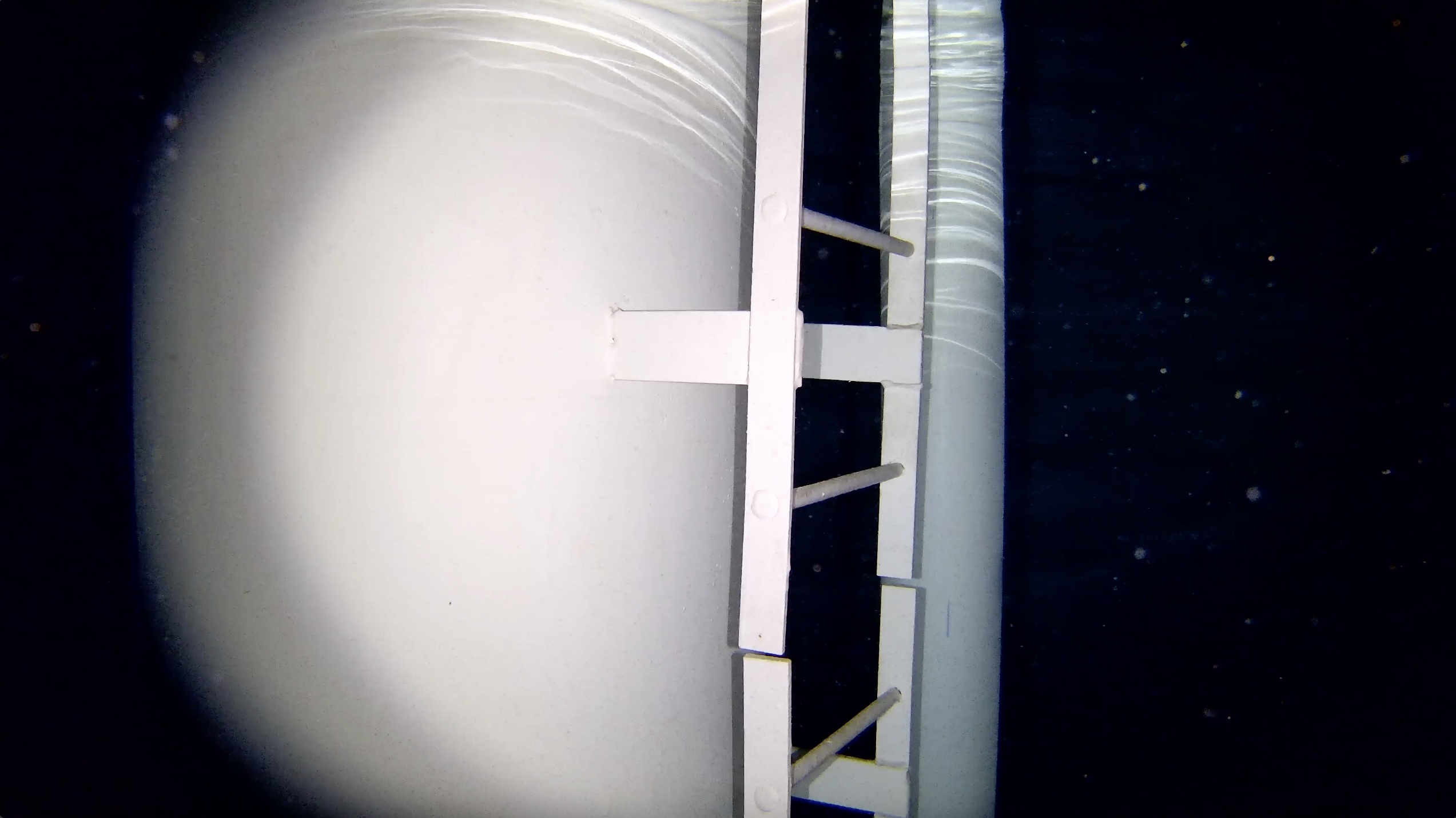
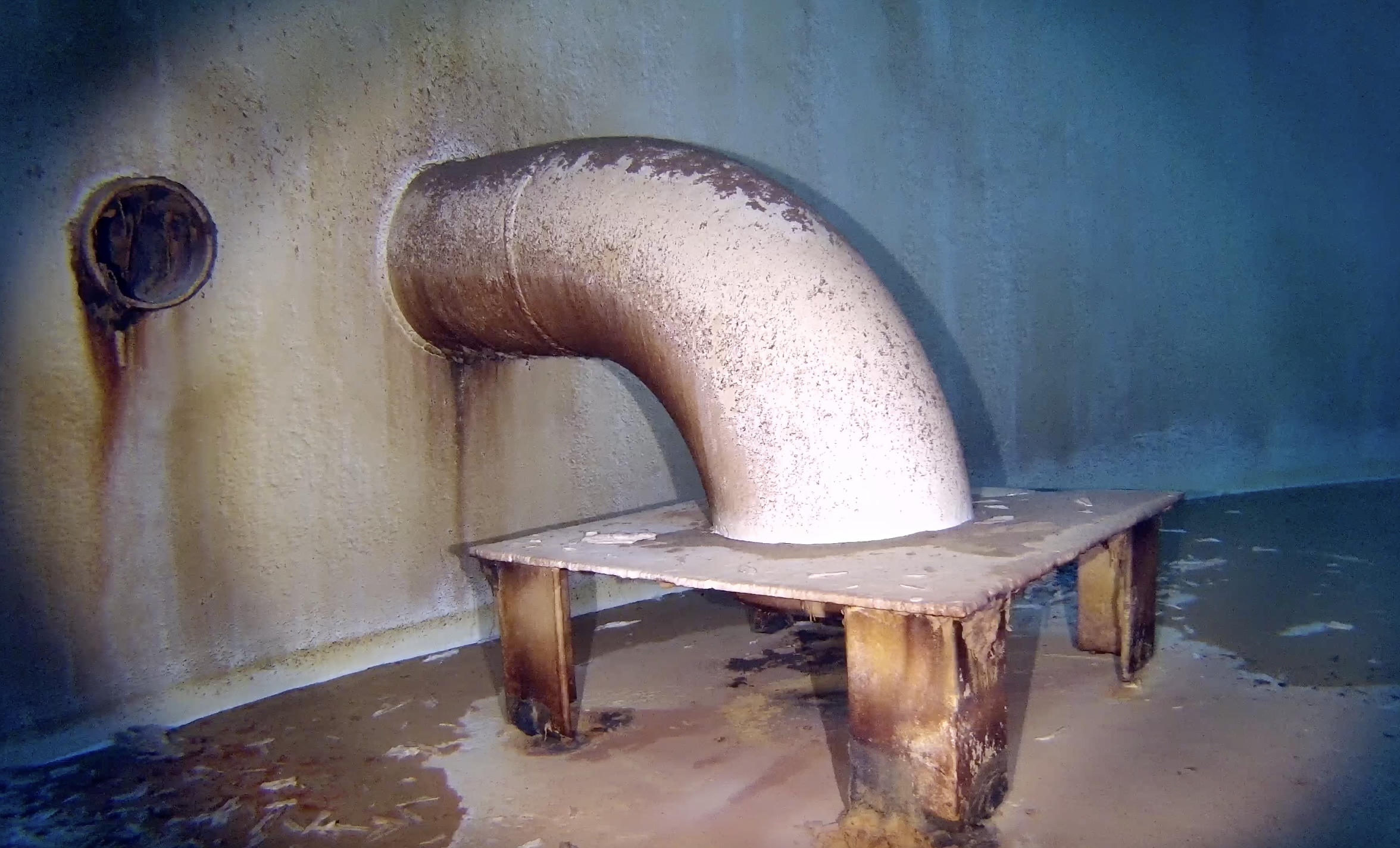
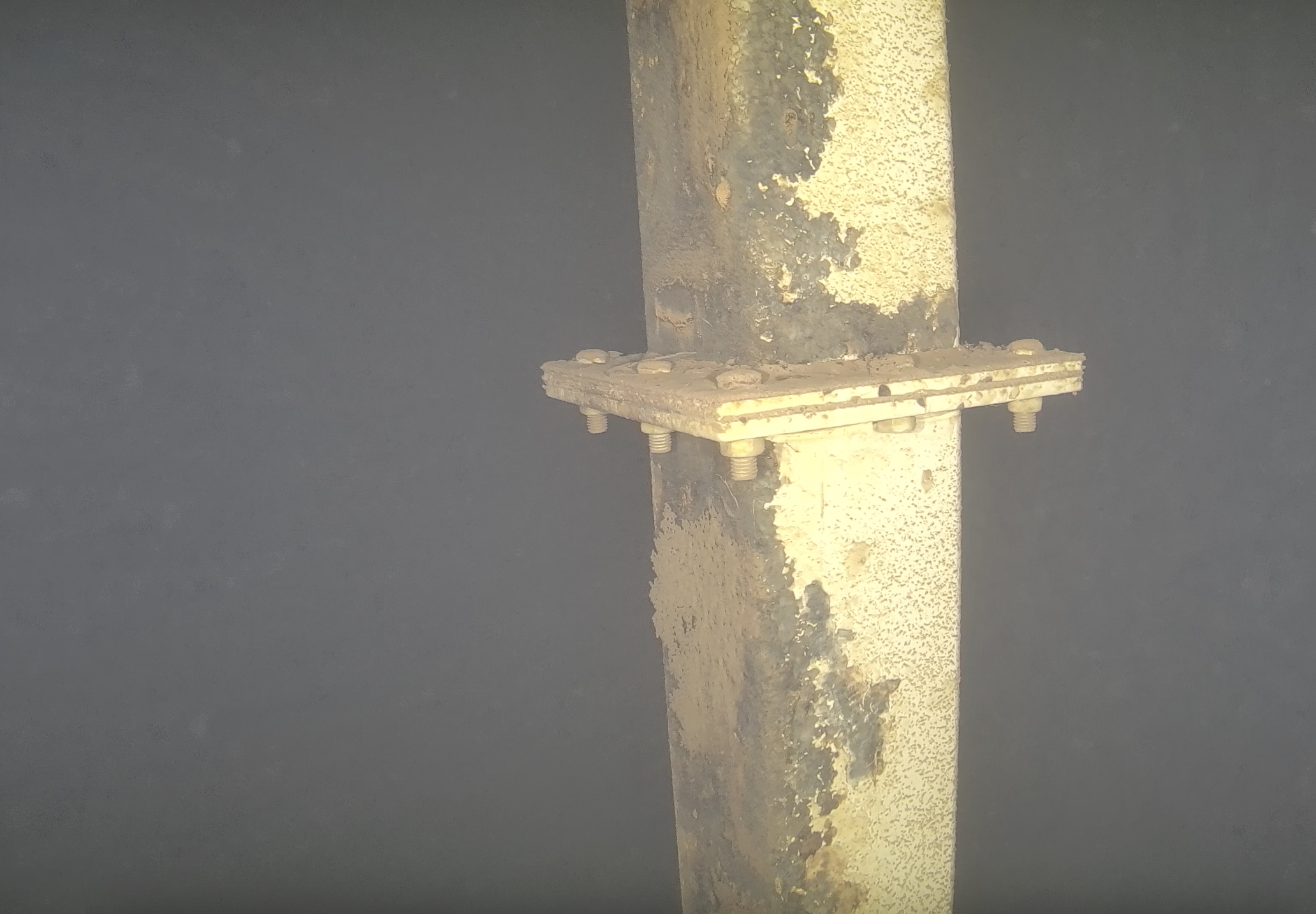
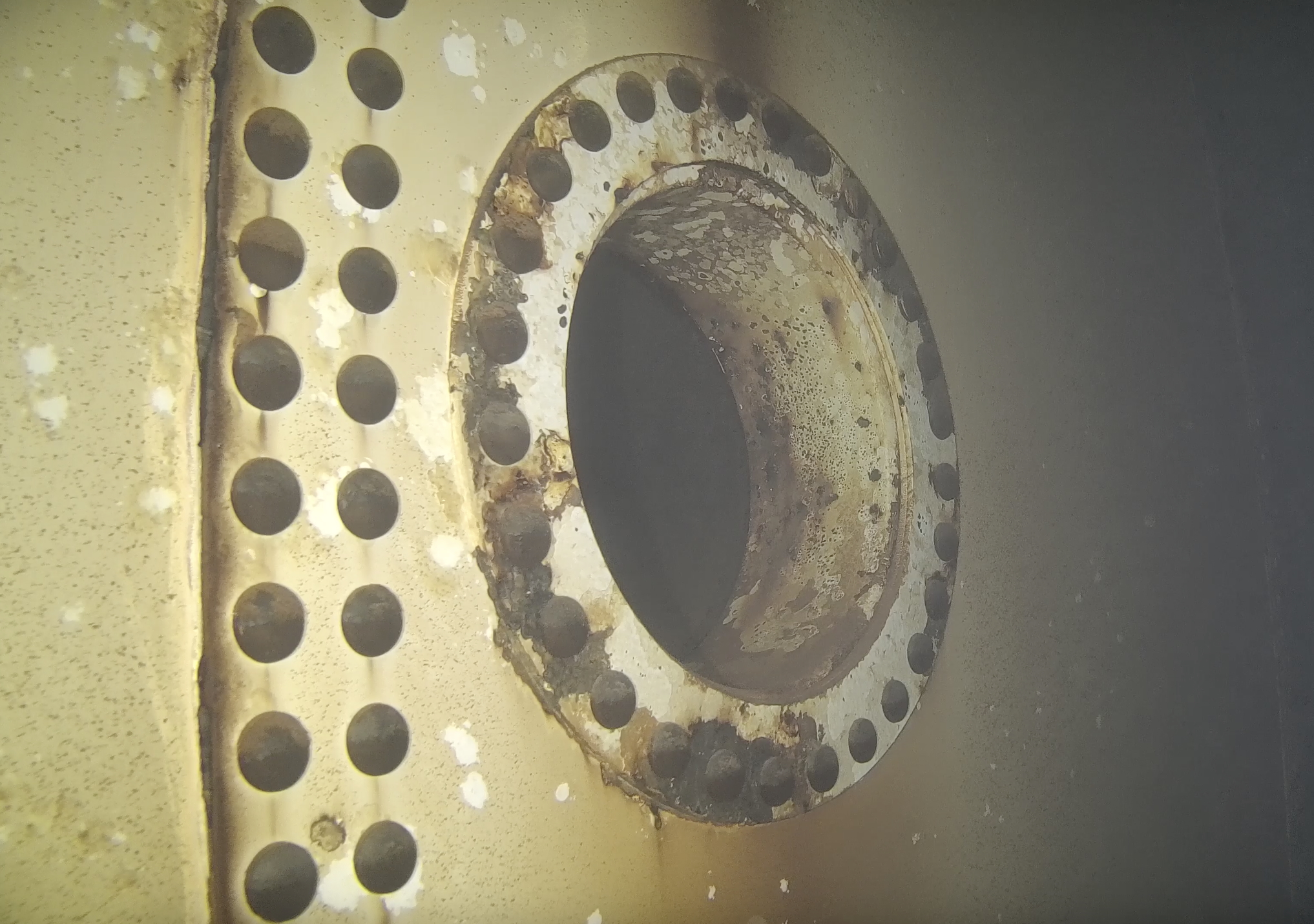
What We See Inside Tanks
Markets We Serve
- Distribution Centers
- Data Centers
- Hospitals
- Universities & Schools
- Industrial Facilities
- Manufacturing Plants
- Paper Mills
- Municipal Water Systems
- Government Facilities
- Military Installations
- Commercial Buildings
- Power Generation
Recent Field Inspections
Why Choose Assure Fire Solutions
- Specialized exclusively in water storage tank inspections
- 14+ years of industrial inspection and coatings experience
- AMPP Certified Coating Inspector
- ROV and confined-space inspection capabilities
- Detailed photo documentation and reporting
- Independent third-party evaluations
- Nationwide service
Industry Standards That Inform Our Inspections







Logos shown represent standards and organizations commonly referenced within inspection, fire protection, water storage, and coating evaluation work.
Frequently Asked Questions
Will an internal inspection satisfy AHJ or insurance requirements?
An internal inspection documents observable interior tank conditions. Acceptance and compliance determinations are made by the Authority Having Jurisdiction (AHJ) or the property insurer. Our reports provide condition documentation that can be reviewed by those parties as part of their evaluation.
Do internal inspections require taking the tank out of service?
Internal inspections can often be performed while the tank remains in service using remotely operated equipment. This allows documentation of interior conditions without a planned drain-down in many situations. The appropriate inspection method depends on tank configuration, accessibility, and site conditions.
What happens if sediment or obstructions limit visibility?
If sediment, coatings, or obstructions prevent full observation of interior surfaces, the report documents those visibility limitations. In some cases, additional evaluation may be considered after cleaning or draining. The purpose of the inspection is to document observable conditions and identify where further review may be appropriate.
Will the inspection report identify required repairs?
Inspection reports document observed conditions and reference applicable standards where appropriate. The report does not prescribe repair methods. Owners, engineers, or contractors may use the documented observations to evaluate maintenance or rehabilitation options.
How often do fire protection water tanks need to be inspected?
NFPA 25, Standard for the Inspection, Testing, and Maintenance of Water-Based Fire Protection Systems, provides guidance on internal inspection intervals for water storage tanks. The applicable frequency may vary based on tank type, service conditions, inspection history, and the direction of the AHJ or insurer. Our reports reference relevant NFPA 25 sections; inspection frequency and compliance determinations remain the responsibility of the owner and AHJ.
What types of issues are typically documented during an internal inspection?
Internal inspections commonly document sediment accumulation, coating deterioration, corrosion, and the condition of internal piping and appurtenances. These observations provide visibility into current tank conditions and may indicate where further evaluation could be considered.